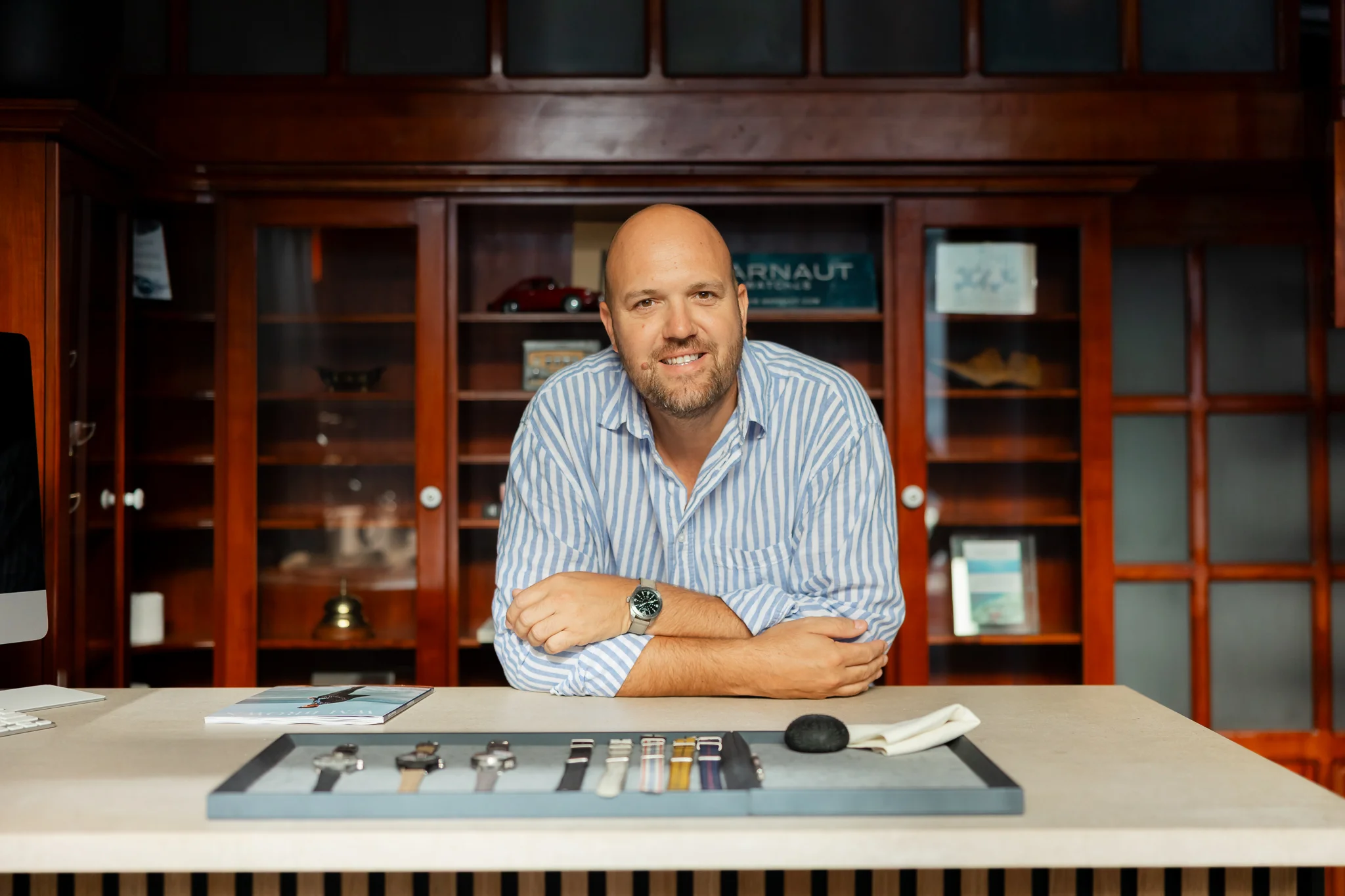
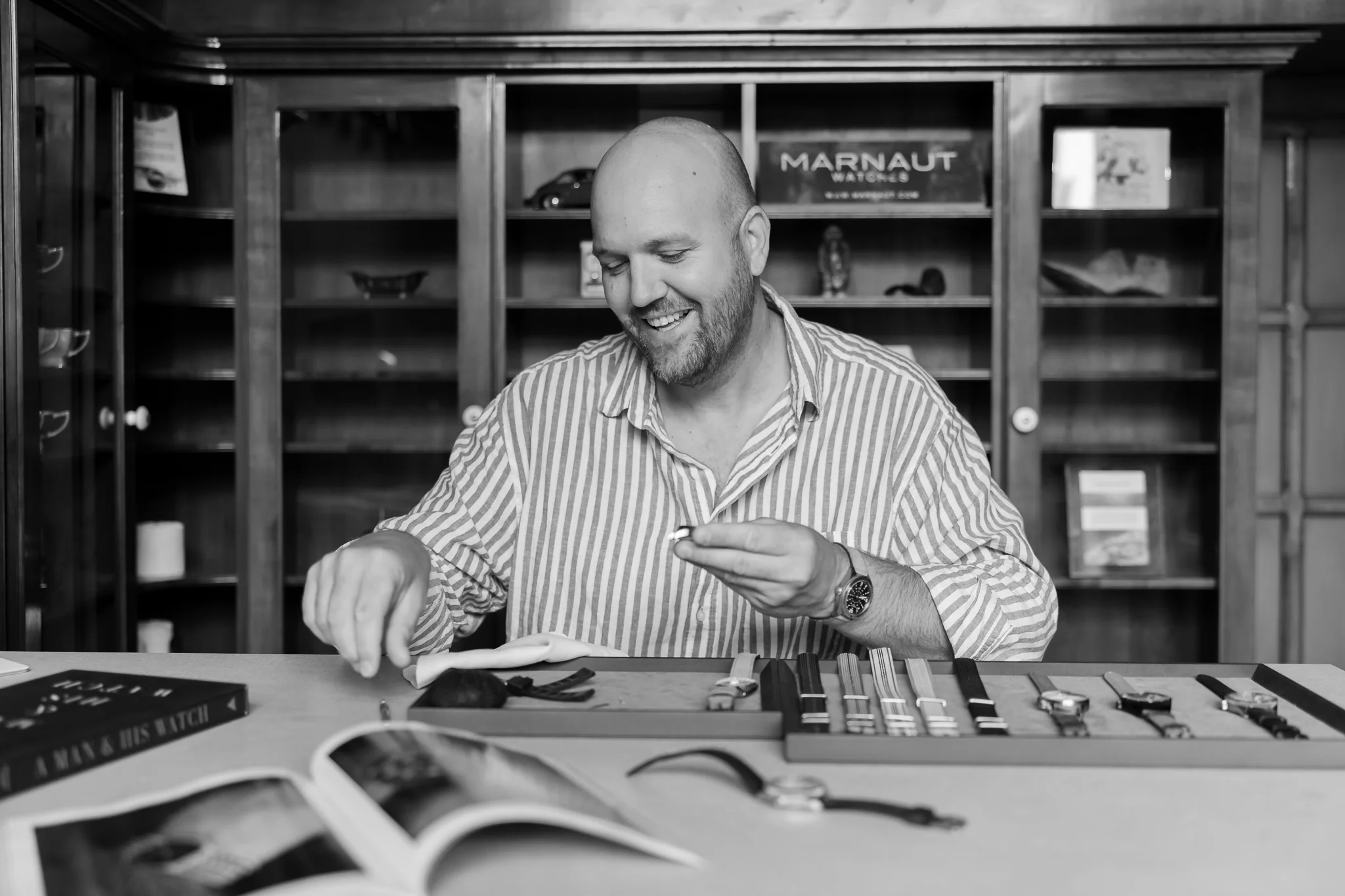
In a world saturated homage watches and borrowed designs, Marnaut stands out like a sea urchin on the Adriatic seabed: original and completely its own. At the heart of this watch brand is Mario Jutronic, a man whose journey was anything but conventional. Born in Split, Mario lived abroad for decades, living in Japan, Hong Kong, and the United States, before returning to Croatia with a dream: to create a watch brand that would reflect his love for vintage watches and his Mediterranean roots.
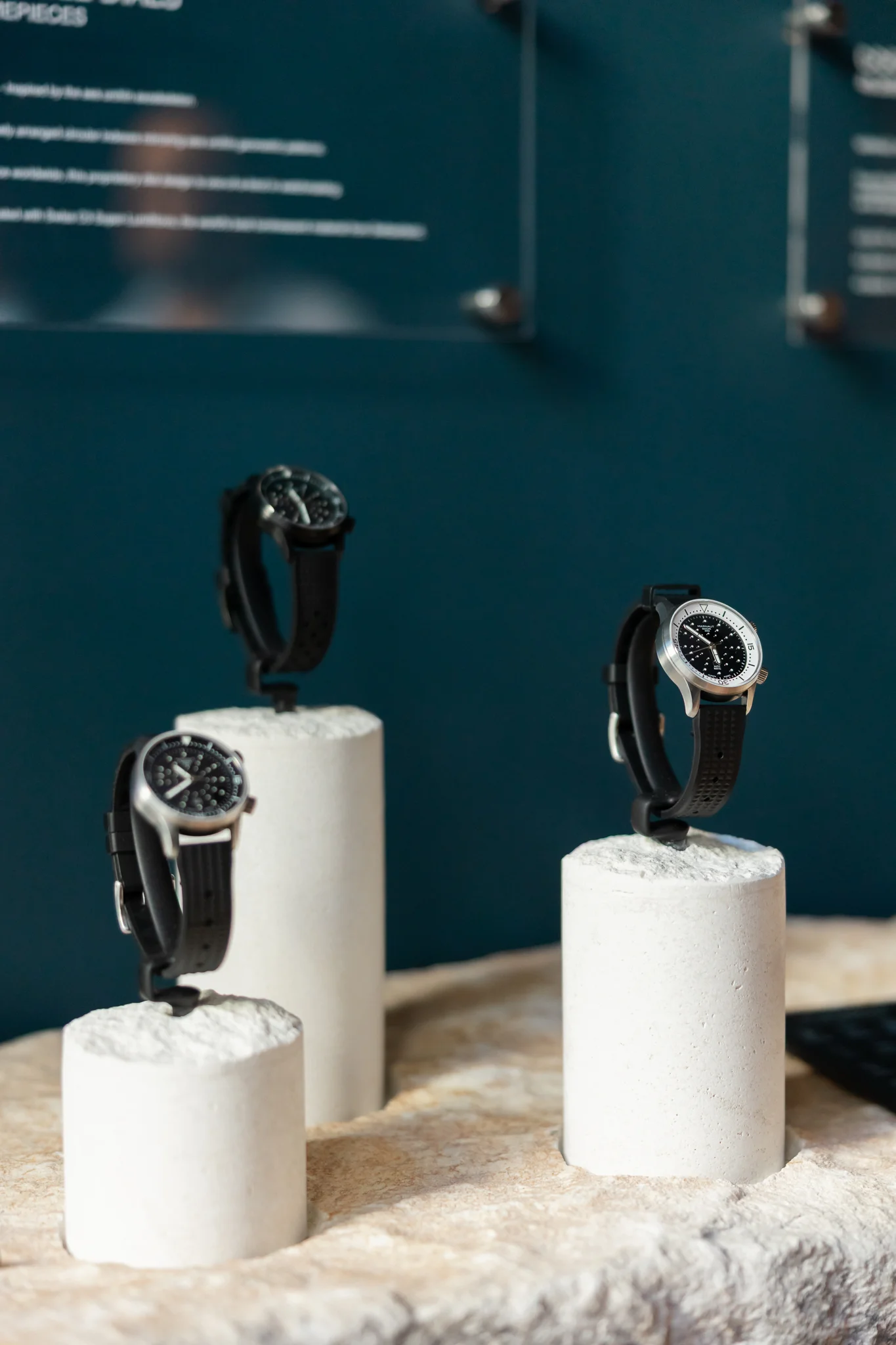
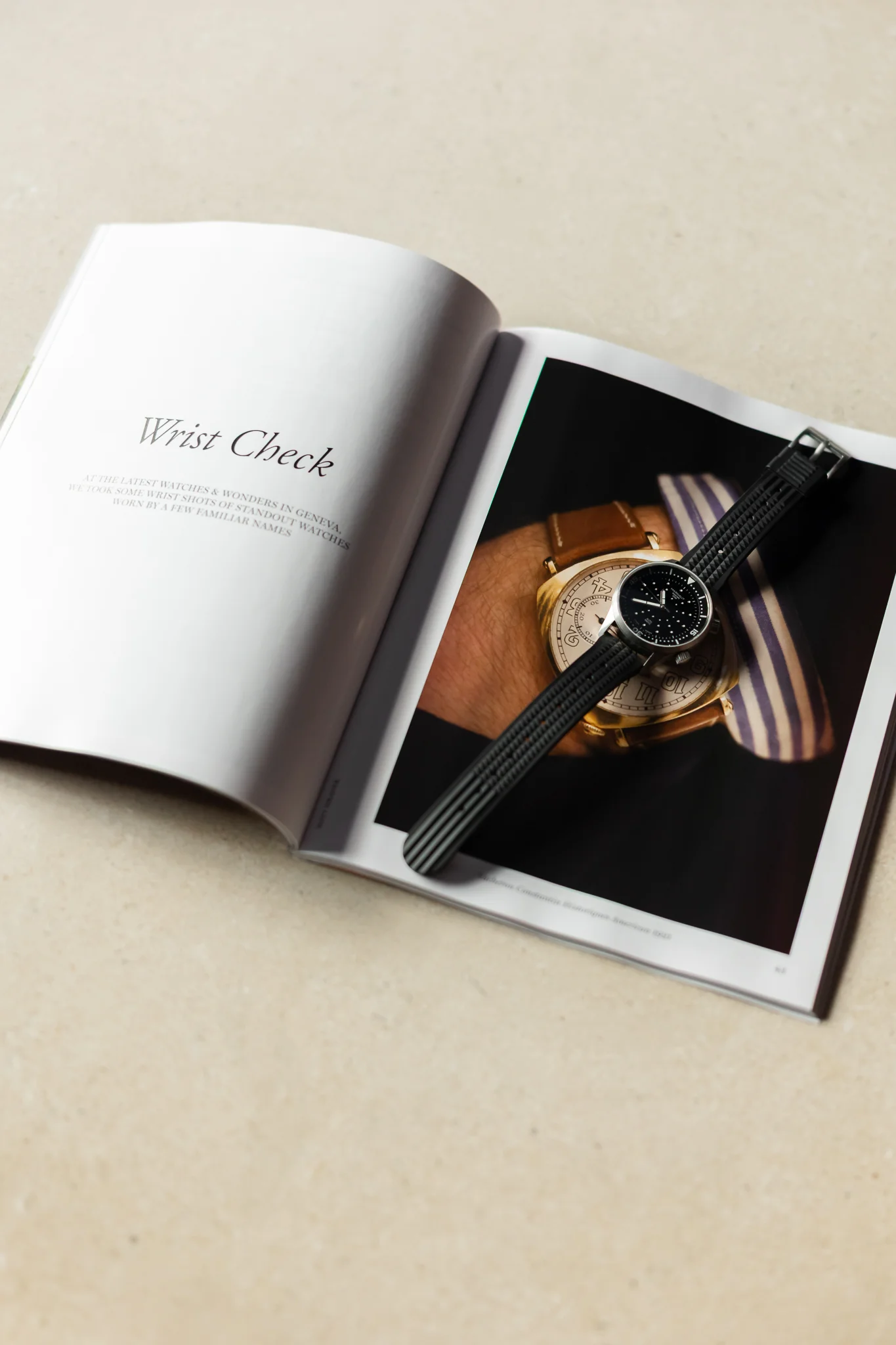
The result was Marnaut: the first Croatian diving watch. Known for its sea urchin-inspired dials, cases reminiscent of vintage diving watches from the 60s and 70s and a heritage-driven design philosophy, Marnaut has quietly built a cult following in recent years among watch lovers looking for authenticity. From recognizable Dark Surge 300 s water resistance up to 300 m, to elegant Safe Harbor 100 inspired by Grand Seiko cases, each Marnaut model tells a story. Every detail, from the use of Swiss Sellita movements to the hand-crafted brushed leather straps from the German workshop, was chosen with intention.
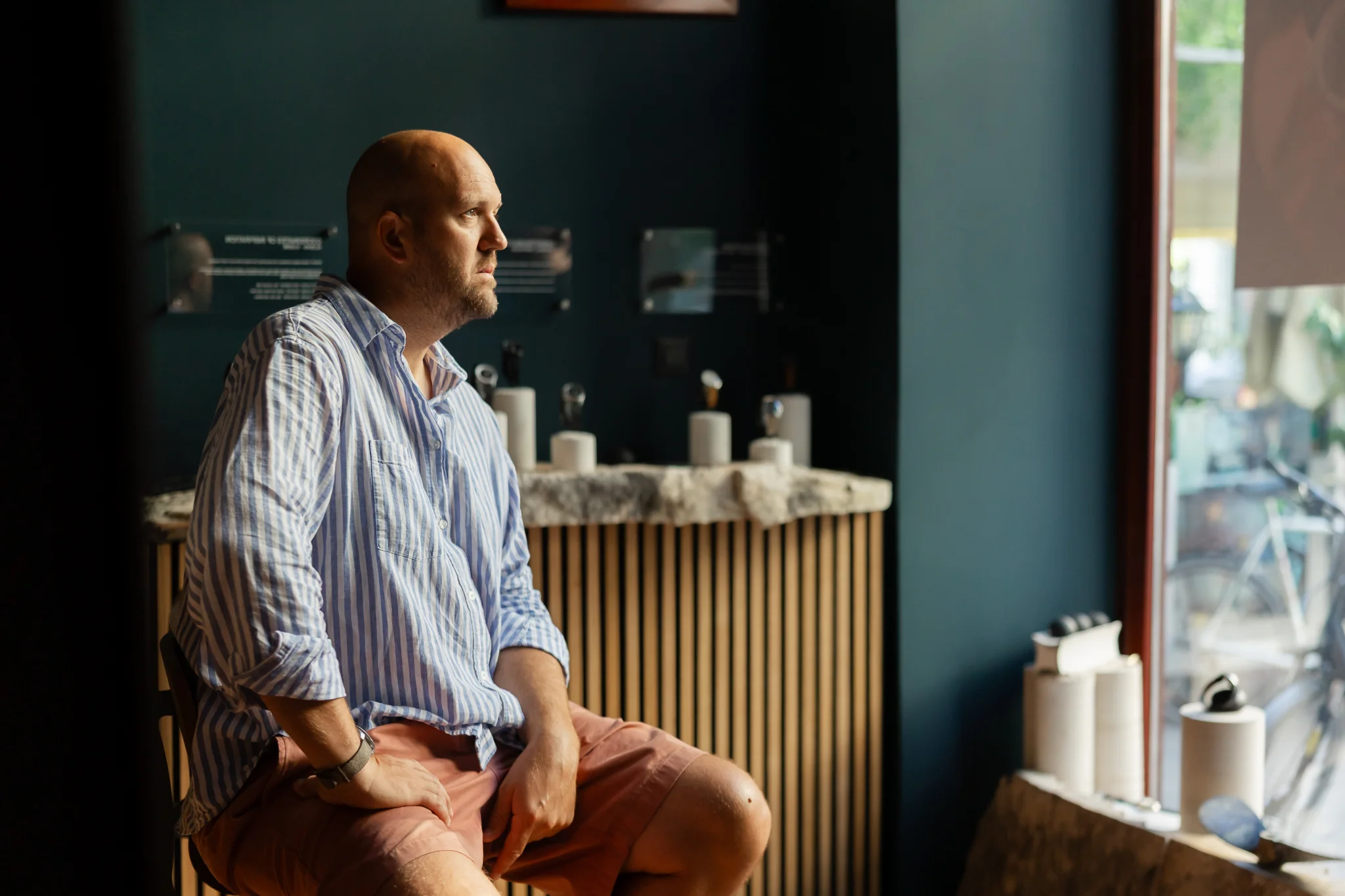
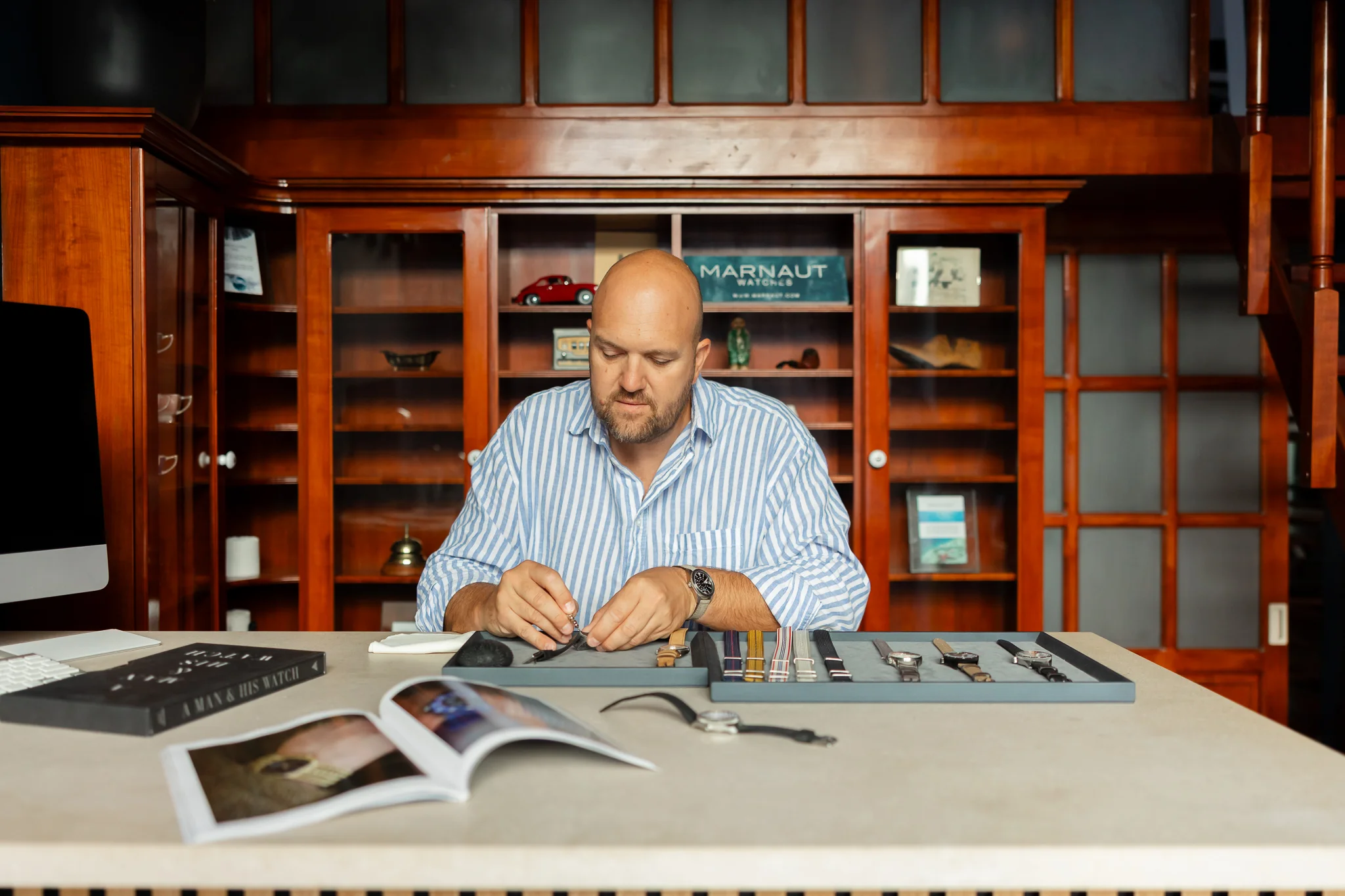
We sat down with Mario in his showroom at the address Nikole Tomašića 3 in Zagreb to talk about these special watches and the story behind them.
You can find out more exclusive interviews about watches at DART.hr.
First, Mario's design process is deeply personal. Drawing inspiration from his own childhood memories of diving for sea urchins, he conveyed the symmetry of their exoskeleton into recognizable dials. It also insists on originality.
“I set two rules: no deadlines and don't go to market unless it's original.” – Mario Jutronić
The journey began in 2018, after years of working as creative director in Hong Kong, Mario returned to Croatia, bringing with him years of passion, knowledge and experience in collecting vintage watches. This experience with different places, behaviors and cultures inspired him to create his own watch brand.
His fascination with watches began early. At just twelve years old, while living in Japan, He got a Seiko for his birthday from his parents. Even at that age, he remembers being filled with the feeling, “This is my hour.” That gift sowed the seeds for the future.
Over the years, his collection has grown, primarily with vintage diving watches from the 50s, 60s and 70s. He was fascinated by the subtle differences between models, and this passion, combined with his international experience and creative background, shaped the blueprint for Marnaut.
The brand name itself is a deliberate choice: “"Mar"” for the sea, “"naut"” for the researcher. Not, as some might assume, a play on words with the name of the founder himself.
Growing up between Brač and Japan, how did these two contrasting yet profound cultures shape your personal aesthetic and values as a watchmaker?
Mario Jutronić: It's hard to grasp the meaning of moving to such a different, incredible country as a child, but later in life the puzzle starts to come together. Especially because my family always returned to Croatia during the summer holidays.
“I was lucky enough to experience that Croatian childhood, swimming in the beautiful Adriatic every day, the feeling of sea salt drying on warm skin in the sun, playing football with friends before sunset, riding bikes around the city, and simply the magic that is the Croatian summer.” – Mario Jutronić
For some strange reason, even when I was very young, I believed that the fact that I was and had lived all over the world would be a kind of superpower, and that one day that privilege would be part of my success. Now, looking back, I can perhaps describe the culmination of creating my own watch brand as; Japan introduced me to time, the United States taught me that anything is possible, Hong Kong honed my professional skills to develop it, and Croatia is and has always been my muse.
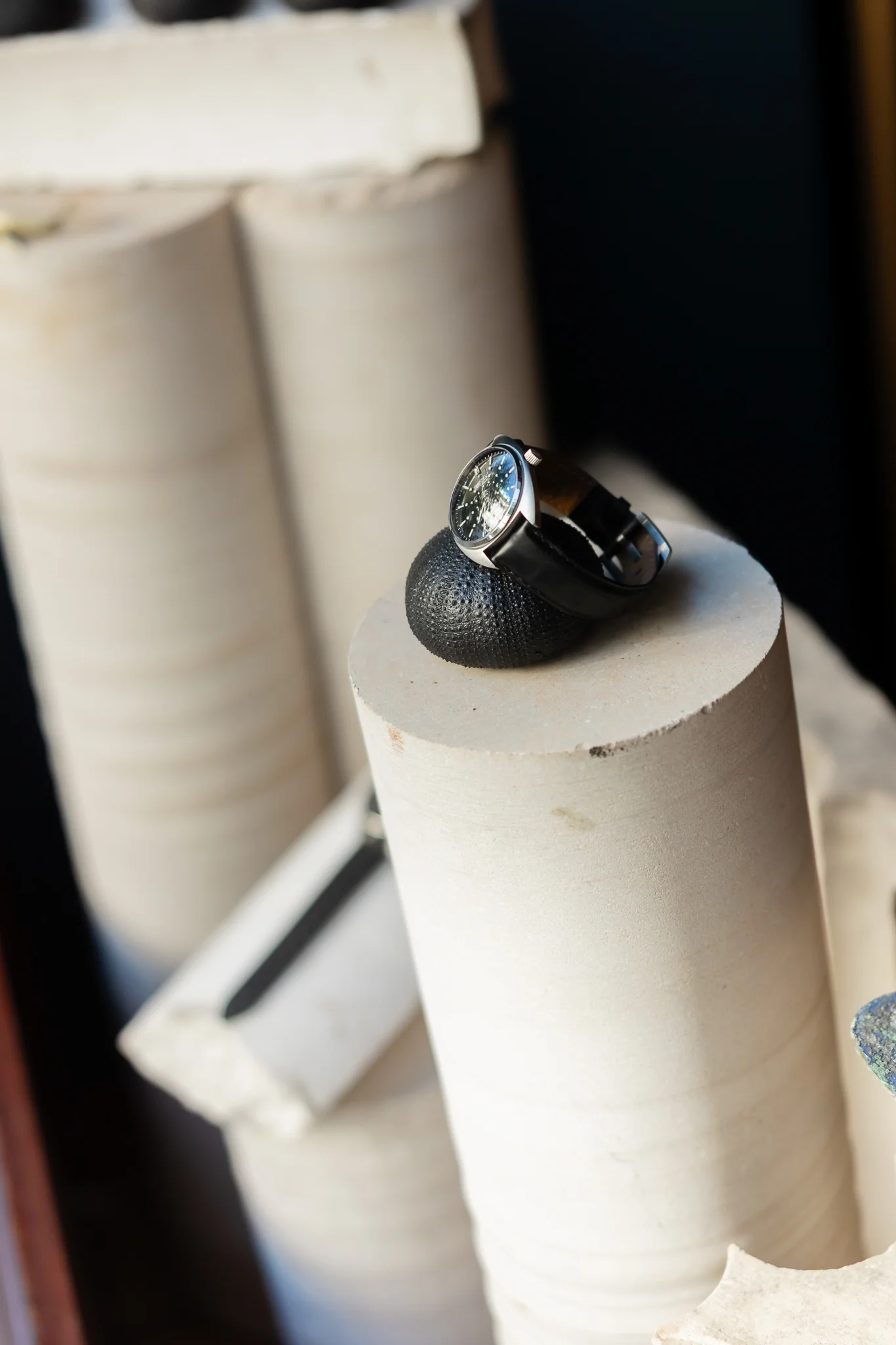
One of the brand's most prominent elements is the sea urchin dial, inspired by memory.
“I would line up the exoskeletons of sea urchins and choose the most symmetrical ones. They seemed like something alien, geometric, delicate and beautiful.” – Mario Jutronić
This visual element has become Marnaut's design guide. In his eyes, sea urchins symbolize purity and resilience. They are the filters that clean the sea. When you see them, you know the water is clear and everything is perfect. Unless you step on one, of course.
In your opinion, are diving watches exclusively for divers and water sports enthusiasts, and do you think this perception poses any challenges for your brand?
Mario Jutronić: I would say that diving watches have long since entered their own area of design beyond diving itself. I believe it is the best selling design among watches and I don't know people who dive with Rolexes or Blancpains. I see it more as a link to the past when these were the tools people relied on. I consider watches to be jewelry for men, and diving watches are attractive to me because their purpose is multiple.
What types of watches does Marnaut currently offer and what makes each model unique or special in terms of design and functionality?
Mario Jutronić: The first watch we released was Dark Surge 300. We developed a custom case with subtle curves on the sides and lugs that match our unique dial. We were able to offer an original offering to the most demanding segment of the watch market, the diver's watch segment. It has a ceramic bezel resistant to 120 clicks, water resistance up to 300 m and a robust SW 200 Sellita movement.
Seascape 200 was our next model in the line-up. I loved and collected supercompressor style watches from the 1960s, and this one is inspired by them. What makes them unique is that They don't have one, but two crowns. The sight of two rosaries on the wrist is a unique visual marker because The upper crown turns the bezel under the glass, and the lower crown adjusts the time. These watches were called “"gentleman diver"” because it was a step towards an elegant watch with a round case, but it's a diver's watch.
Our third model was Safe Harbor 100. An elegant watch, but still practical, with water resistance up to 100 m. After collecting vintage Grand Seiko watches from the 1960s and 1970s that had incredible cases that I still think are some of the best watch cases ever made, I got inspired by the 36mm GS case and increased it to 39 mm, and I opened the glass further towards the edges.
Every Marnaut watch comes with a leather carrying case and an additional strap. It's a simple item, but it's nice to have when you're going on a trip and want to make sure your watch won't get damaged.
How long does it usually take from the initial idea on paper to the finished watch?
Mario Jutronić: If we ignore the conceptual idea because it can sometimes take years, pushing the design to the design and prototype stage takes three to five months. Then, if there are no revisions, I think my experience is that the watches can be ready for the market 4 months after. So, overall it could be nine to ten months.
In a world full of homage design, Marnaut stands out for its originality. Their secret? Balance. Mario has a long-term view of the project and wants to establish a brand with heritage design. Rolex, Omega or Blancpain all have heritage designs which (in his opinion) are their biggest selling factor. He wants Marnaut to be focused on the long term, on the entire second generation.
Has the transition from Japanese Miyota movements to Swiss Sellita affected the performance and reliability of your watches?
Mario Jutronić: I have to say that they Miyota, especially their 9015 mechanisms, good and respected in the industry, however when I made the decision to return to Croatia, I wanted to position Marnaut watches as European. I started using Swiss Sellita SW 200 which is a fantastic working mechanism. I am proud to have reached the point where I can say:
“The watches are designed in Croatia, have Swiss mechanisms and are manufactured in Germany.” – Mario Jutronić
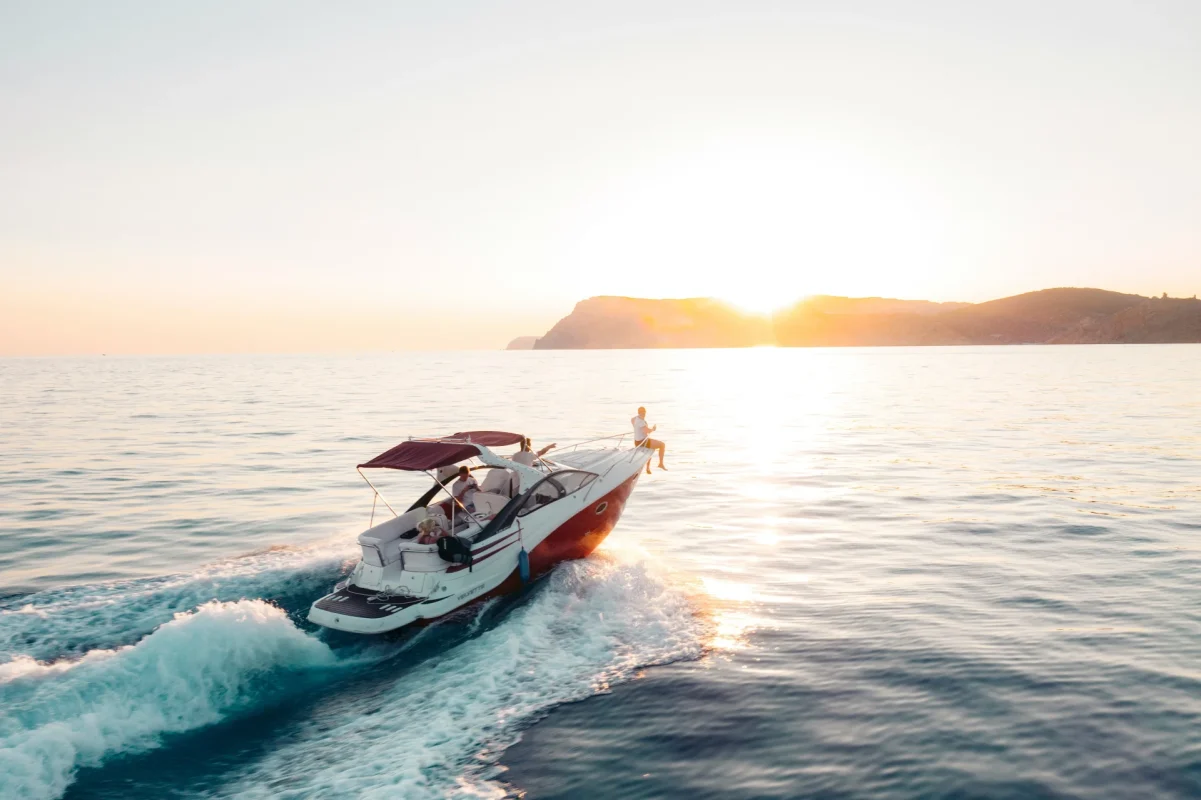
Each model refers to a specific Croatian location from Split to the Blue Cave. The first hour was inspired by a boat trip from Sutivan around Vis, and then the blue cave on Biševo, an adventure that Mario will never forget. Seascape is a dedication Pain, which is probably the most beautiful and significant seascape in Croatia. Finally, Safe Harbour pays tribute to the beautiful harbor the city of Split, Mario's birthplace.
It's no secret that many people fall in love with Croatia during their visit, and Marnaut can be that connection to their trip long after they've left, says Mario. A nice bottle of wine and olive oil is great, but Marnaut a watch is something that can literally stay with a person for generations and that is quite special. It is important to note that Mario nurtures the brand to become a quality mainstay in the watch industry. People can wear it with pride because of the quality and originality factor and the additional connection to Croatia, which he sees as a bonus.
Do you have a personal watch collection besides Marnaut? Are there any vintage pieces or brands that you value?
Mario Jutronic: I have to say Seiko. I think it's because of my connection to Japan, but they have such quality for the price, such a rich design history that I think it's a perfect starting point for anyone looking to get into research or collecting. vintage watches. I don't know if they still do it, but they used to make their own oils for their movements, and they were also on par with and more expensive than Rolex in the 60s and 70s. Seiko released one of the first automatic chronographs almost at the same time as the El Primero. Then you come to the Grand Seiko watches that they made only for the domestic market, watches with elegance, beauty, and a powerful simplicity of design.
One of my favorites was Silver wave J12082 (their first diver's watch), I think it came out in 1962. It was the first to have the Seiko wave design stamped on the case back and an internal rotating bezel. They made a few of them with a sunburst dial option, just great. The second one is one of their famous classics and I still own it, 6105-8110 Captain Willard which was worn in the movie Apocalypse Today. The asymmetric cushion case was so different from anything else on the market, offering visual uniqueness with the coolness of a true vintage diver's watch, one of my favorite watches ever made.
Many microbrands remain exclusively digital, but you have opened showrooms in both Split and Zagreb. What is the value of creating a physical space for such a tactile product and how do customers react to it?
Mario Jutronić: You are right, it is a big step for the brand and a somewhat unorthodox approach. I feel that this risk of opening our own showroom in Zagreb was based on the assumption that such a move would bring a certain awareness of the brand itself and that this has its inherent value. For now, it's just a showroom where we accept appointments and come unannounced, but we hope to run it as a real store in the future. The showroom in Split was more of an opportunity that presented itself to me recently, it is not a space that Marnaut rents, but through a partner called Smartspace. They have been extremely generous in providing a superb venue for the exhibition and have taken some of that burden off us. I believe they saw the added value that an interesting brand like Marnaut can bring to their space and I am grateful for the opportunity.
Another aspect that I find worth mentioning is the fact that these showrooms, from our first one in Supetar to Zagreb, and now Split, are an opportunity to present the watches the way we want them to be seen. I treat each location as a blank canvas that we fill with Brač stone, the famous limestone from my island of Brač. Each space is customized with unique and custom display pieces and tables that I design from Brač stone. I believe this additional visual identity is important to the way Marnaut presents itself because it is another way the brand represents its Croatian heritage.
What's next for Marnaut? Are there any new complications, collaborations or categories we can expect soon, or is your mission simply to make the „perfect“ diver's watch?
Mario Jutronic: Yes, we will be offering a pre-order for the GMT watch at the end of this year. I hope we will have another interesting event with some prototypes in the fall, most likely in Zagreb. There is an exciting brand that we want to collaborate with and promote, especially in 2026, but I can't reveal much more than that.
As for the perfect diving watch – we don't think there is one. The perfect watch is any watch that speaks to you personally. As for Marnaut, we are here to build a brand that will last for generations.
Marnaut's story is proudly Croatian and refreshingly original. In a sea of brands chasing trends, Mario Jutronic he created something lasting, inspired by heritage and shaped by instinct. We are grateful for the opportunity to sit down with him, explore his world of design, and share the story behind these extraordinary watches. For more exclusive interviews about watches, visit DART.hr.
For more information, visit www.marnaut.com
Source: DART.hr
Photos: Martina Movric