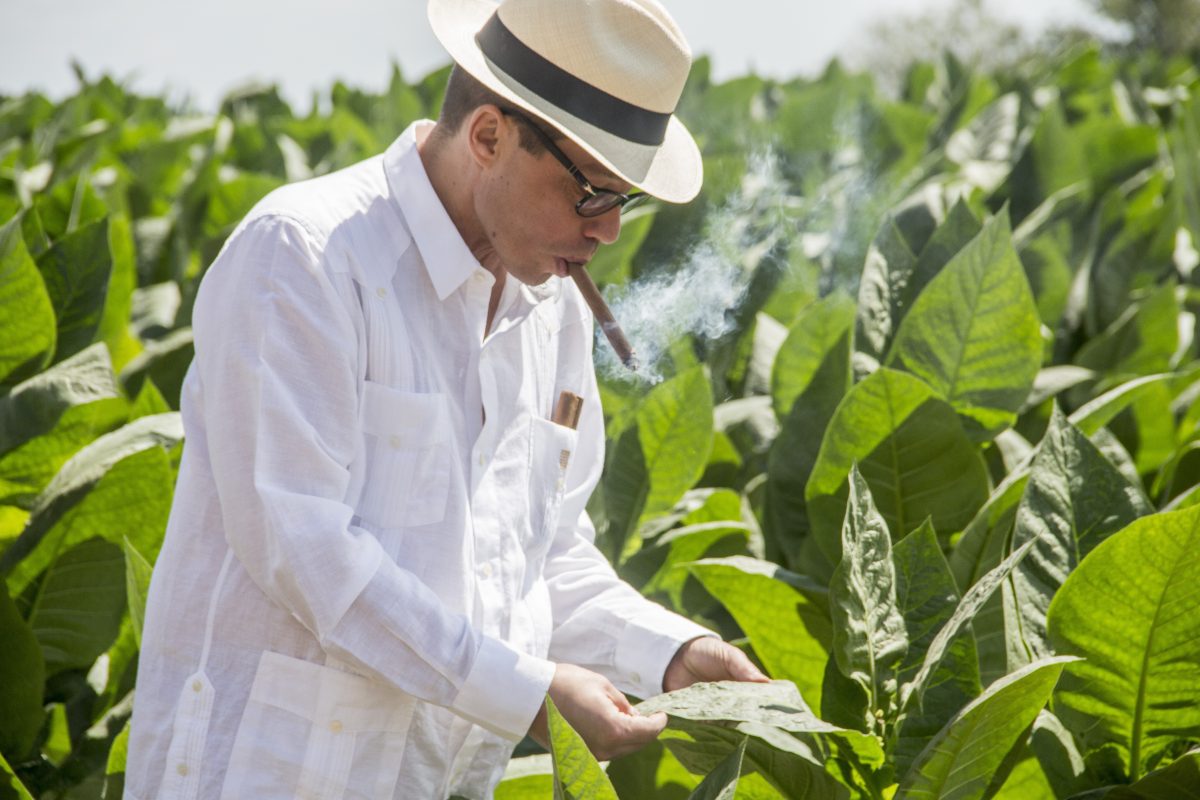


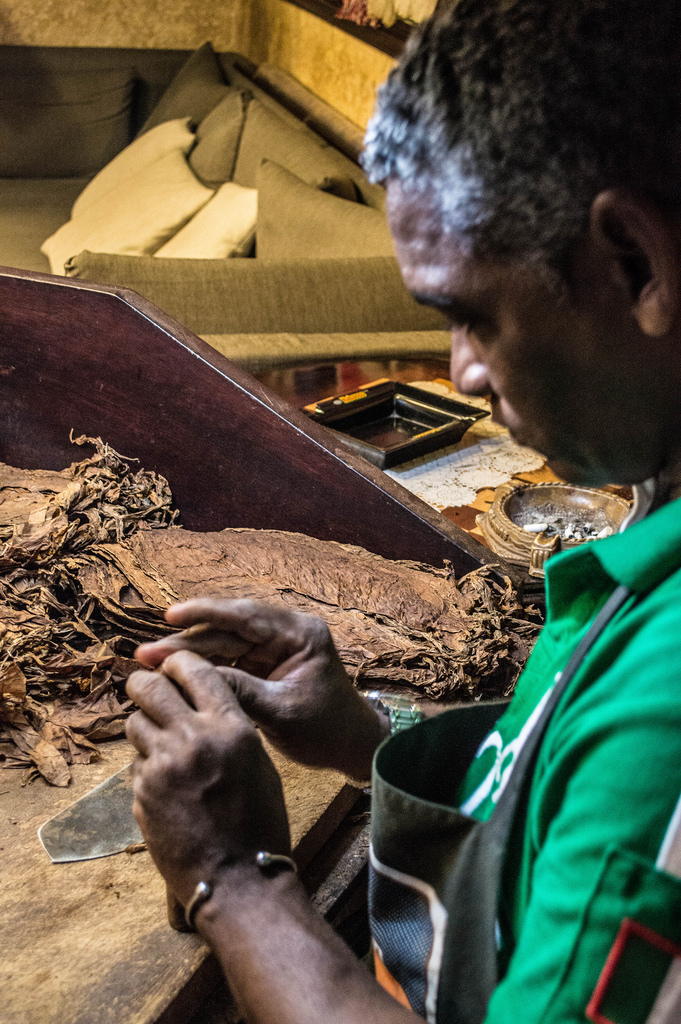
The outer leaf of a cigar, known as the wrapper, is often perceived primarily through its appearance, but its true role goes much deeper. It is a key element that greatly shapes the aroma and overall smoking experience, and can contribute up to 60–90% to the overall flavor profile. As the final layer that encloses the filler and binder leaf, the wrapper serves not only an aesthetic purpose, but also integrates all the components of the cigar into a single whole and strongly influences the first impression that the cigar makes.
A quality wrapper can be recognized by several characteristics. It should be thin, elastic and smooth to the touch, with a uniform color and no visible damage. The presence of natural oils often gives a slight sheen to the surface, which is an additional sign of proper tobacco maturation. Such leaves most often come from the optimal parts of the plant, where they achieve a balance between size, texture and aromatic properties, while thicker and rougher leaves are less often used for this purpose.
You can read more stories about cigars HERE.
The color of the wrapper is often used as a guide when assessing flavor, although it is not an absolute rule. The range can range from very light tones to almost black shades, with lighter wrappers usually offering milder and more subtle profiles, while darker wrappers bring richer and sweeter aromas. However, this correlation is not absolute, as color can serve as a guide, but does not guarantee the final flavor, as it is also influenced by other factors such as the origin of the tobacco and the processing technique.
For example, Candle The wrappers, recognizable by their bright green color, are obtained by rapid drying at high temperatures, which retains the chlorophyll. Such cigars offer a light, grassy and slightly sweet profile, and although they were once very popular, today they mostly appear in limited editions as an interesting choice for those looking for something different.
On the other hand, Connecticut Shade represents one of the most widespread and accessible styles. Grown under shade, this wrapper develops a thin, silky structure and light color, and its flavor is mild to medium, with creamy, nutty and slightly sweet notes. It is precisely because of this balance that it is often recommended for beginners, although quality specimens can also offer considerable complexity. For those seeking a more pronounced character, Habano The wrappers bring a richer experience. Their reddish-brown color and oily texture accompany stronger aromas such as pepper, earth, leather and coffee, with a pronounced development of flavor during smoking, especially in Nicaraguan varieties.
A similar level of intensity is offered by Corojo, a historical variety of Cuban origin that exists today in several variations outside of Cuba. This wrapper is recognizable by the spicy notes that dominate at the beginning, while later tones of cedar, nuts and caramel develop, sometimes with a subtle citrus freshness. In contrast, Maduro Casks owe their distinctiveness to the process, not the variety. The extended fermentation gives them a dark color and a rich, sweet profile with notes of chocolate, espresso, molasses, and dried fruit. While they look strong, they are often surprisingly smooth and approachable, provided they are naturally fermented and not artificially treated.
An even deeper and more intense profile is provided by Dark, the darkest of the wrappers, undergoes the longest fermentation and comes from the top of the plant. Such cigars offer strong aromas of dark chocolate, coffee and earth, along with a higher nicotine level, making them more suitable for more experienced smokers. They go in a slightly milder and subtler direction Sumatra i Java wrappers, native to Indonesia, but often grown in Ecuador. Sumatra offers a medium body (eng. body) with notes of cedar, white pepper and floral sweetness, while Java gentler, with a smooth coffee character, and both are known for their adaptability in different blends.
Knowing these differences makes it easier to navigate when choosing a cigar and gives you a better idea of what to expect before lighting the cigar.
Those who prefer sweet and rich flavors will naturally gravitate towards mature i dark variants, while fans of milder and creamier profiles will more often choose Connecticut Shade or Sumatra. For a more pronounced spice complexity, Habano i Corojo offer the most. Although the final experience is also influenced by the binder, filler, manufacturing method and aging, the wrapper remains the dominant factor and the most important starting point for understanding a cigar.
It is precisely through it that the space for deeper research, more precise recognition of one's preferences and a richer experience in the world of cigars opens up.
Cigars are a tobacco product intended for adults only and their consumption carries serious health risks. Enjoy responsibly.
Photos: CigarMonkeys
Source: DART.hr